
How to Fix a Washing Machine Not Draining or Spinning
A washing machine not draining or spinning usually has a blocked filter, kinked hose, unbalanced load, faulty pump, or worn drive component. You can safely check the load, filter and drain hose first. If the problem continues, a qualified repair engineer can diagnose and fix it before further damage occurs.
Why is my washing machine not draining or spinning?
A washing machine may refuse to spin because it cannot drain the water safely. Many models prevent the spin cycle when water remains in the drum. Common causes include:
- A blocked pump filter containing coins, lint or small objects
- A kinked or obstructed drain hose
- An overloaded or badly balanced drum
- A faulty drain pump or pressure switch
- A worn belt, motor component or door-lock mechanism
Start with the simple checks below. Disconnect the appliance from the electricity supply before inspecting filters, hoses or moving parts.
What can you check safely at home?
1. Redistribute the washing
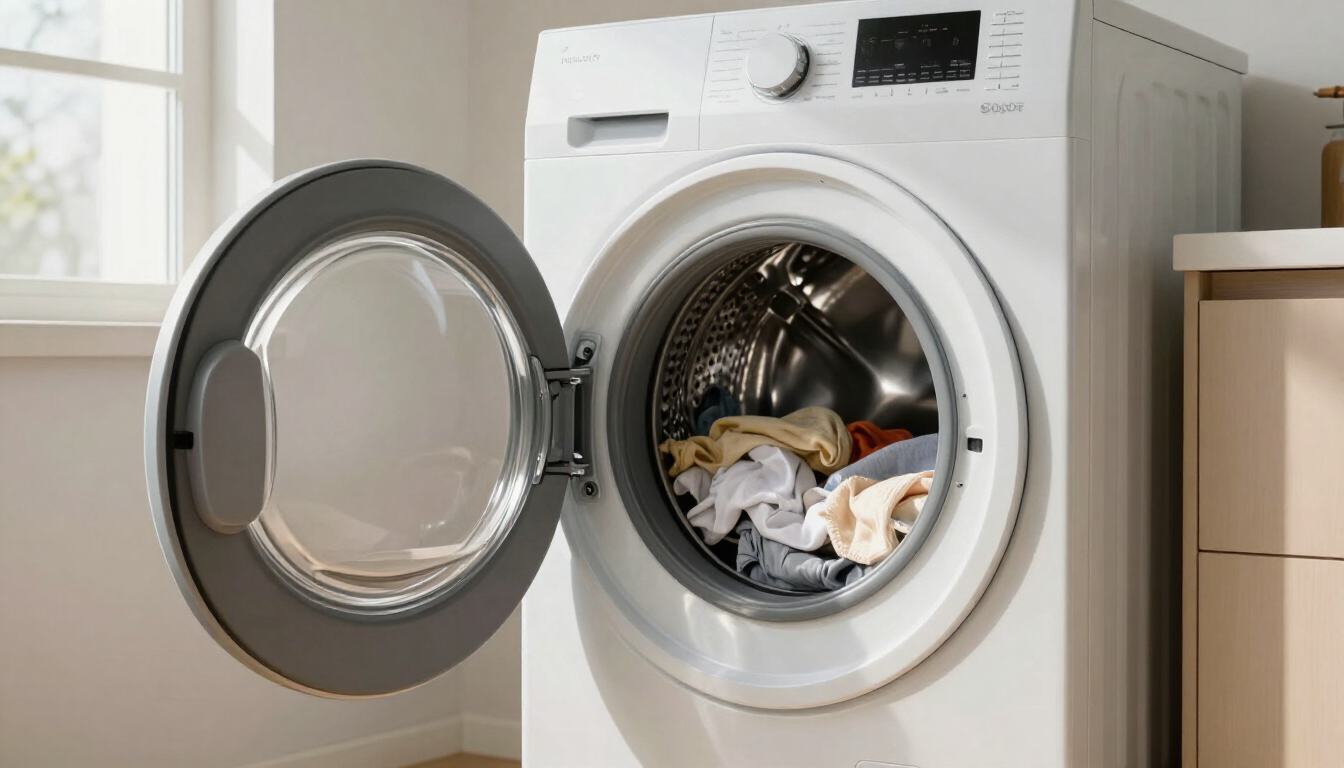
Pause the cycle and remove some items if the drum is tightly packed. Large items, such as towels or bedding, can collect on one side and trigger an imbalance. Try a short spin cycle with a smaller, evenly distributed load.
2. Check the drain hose
Look behind the machine for sharp bends, crushing or visible blockages. The hose should connect securely to the waste pipe or sink trap. Do not pull it aggressively, as leaks can develop around the connection.
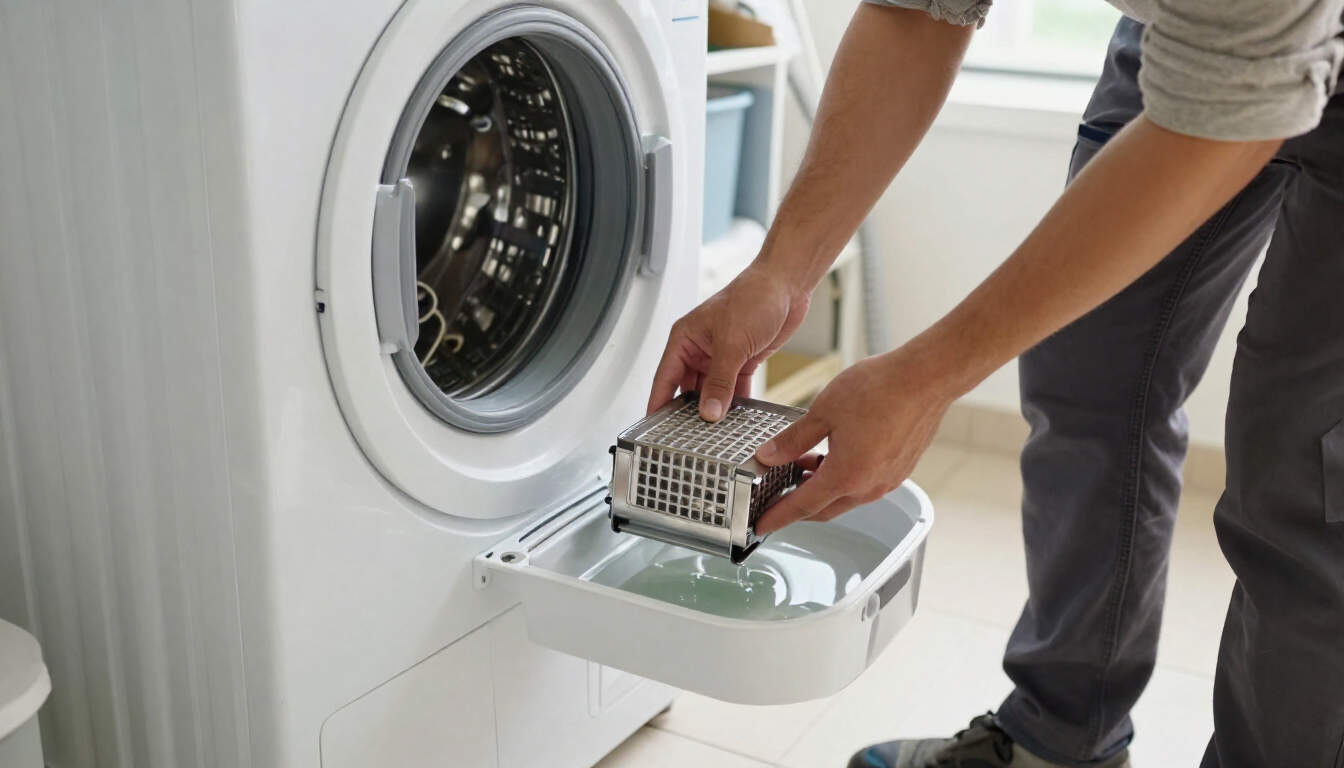
3. Clean the pump filter
The filter is usually behind a small flap at the bottom of the machine. Place towels and a shallow container underneath, then open it slowly because trapped water may escape. Remove debris and refit the filter firmly.
Never reach inside the pump housing while the appliance is connected to power. If the filter is difficult to remove or water is leaking heavily, stop and arrange professional assistance.
What does it mean when the machine drains but will not spin?
If water drains but the drum still does not rotate, the issue may involve a broken or loose belt, motor brushes, electronic controls, speed sensor or door interlock. A machine that hums without turning may also have a seized pump or motor obstruction.
These faults require testing with the correct tools. Repeatedly running the machine can overheat components, worsen a belt fault or leave water damage around the appliance.
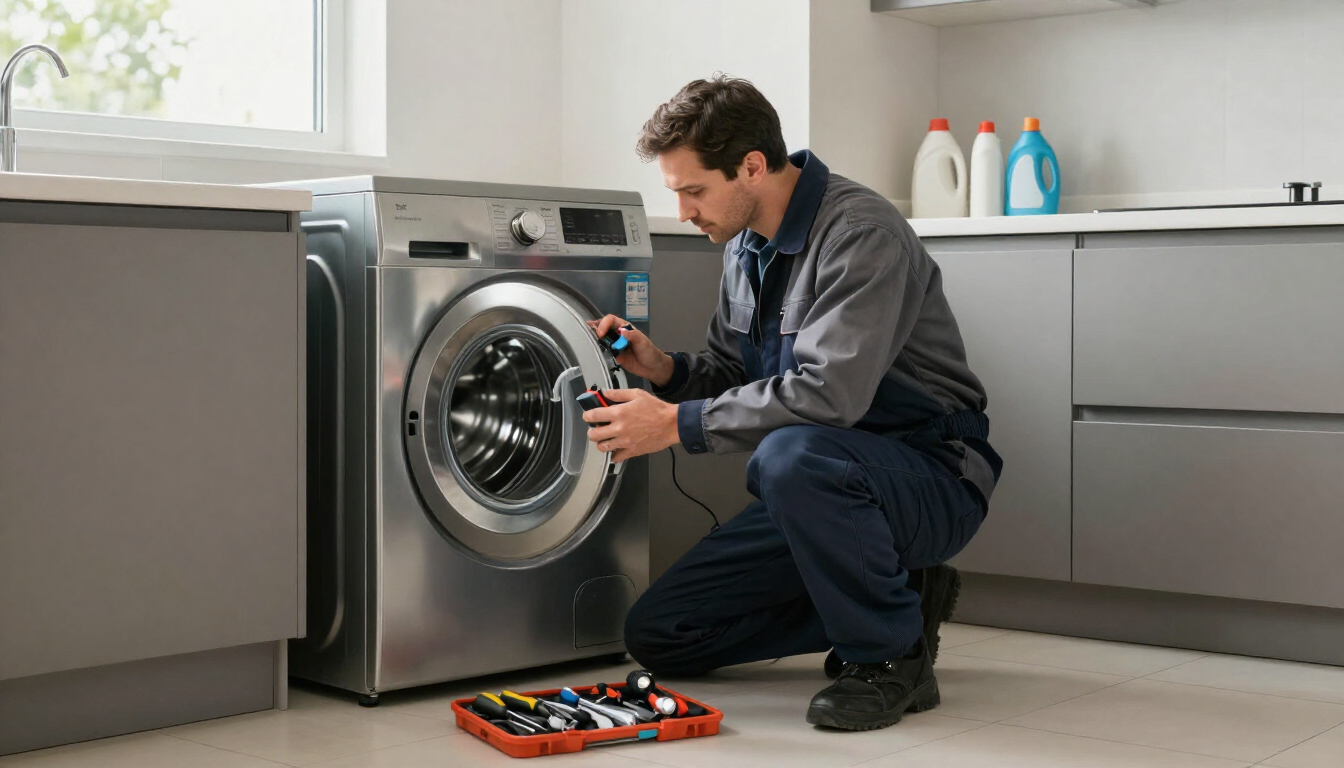
When should you call a repair engineer in Bristol or Bath?
Contact an engineer if:
- The machine remains full of water after cleaning the filter
- It makes grinding, buzzing or burning smells
- The drum will not turn by hand when unplugged
- The appliance trips the electrics or shows a fault code
- Water leaks from underneath or around the door
For local help, see our washing machine repair service . You can also visit our services page to compare appliance repair options across Bristol, Bath and nearby areas.
How can you prevent drainage and spin problems?
Reduce the risk of repeat faults by following these habits:
- Empty pockets before every wash
- Avoid overloading the drum
- Clean the pump filter at the interval recommended by the manufacturer
- Use the correct detergent quantity
- Check hoses periodically for kinks, splits or loose connections
A properly levelled machine is also less likely to move, vibrate or stop during a spin cycle.
Washing machine repair: the practical next step
If your washing machine is not draining or spinning, first check the load, drain hose and pump filter safely. These simple steps can resolve minor blockages and imbalance problems. If water remains, unusual noises develop, or the machine repeatedly stops, professional diagnosis is the safer choice. Homeowners and landlords in Bristol and Bath can arrange a qualified engineer to identify the failed component and recommend the right repair. Avoid repeated cycles until the cause is understood, especially where leaks, burning smells or electrical trips are present.